LIPU configures cobalt ore processing plants around mineralogy, cobalt occurrence, testwork, capacity, and target products.The selected route may include flotation, leaching, or a combined process for suitable copper-cobalt, nickel-cobalt, and other cobalt-bearing ores.
Cobalt may occur in sulfide minerals, oxide minerals, or within other mineral structures. Its association with copper, nickel, iron, manganese, and gangue minerals determines how it can be recovered.
Ore classification provides an initial direction, but a plant proposal requires representative samples and processing testwork.
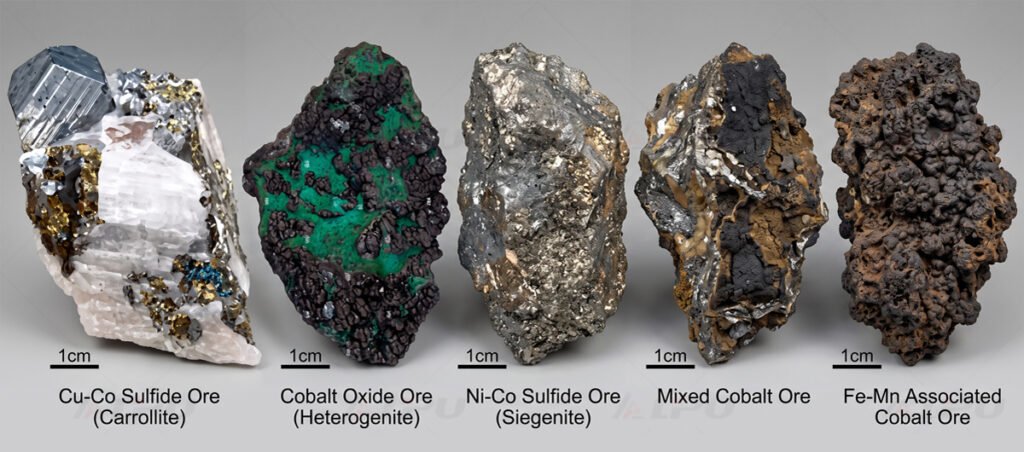
Major cobalt ore specimens and associated mineral types requiring tailored processing and extraction routes (1cm scale)
Ore Type
Main Processing Considerations
Copper-cobalt sulfide ore
Mineral liberation, copper-cobalt associations, flotation selectivity, and concentrate requirements
Copper-cobalt oxide ore
Cobalt-bearing phases, acid consumption, leach response, and solution treatment requirements
Nickel-cobalt sulfide ore
Recovery of cobalt-bearing nickel sulfides and the specifications of the receiving refinery
Mixed oxide-sulfide ore
Distribution of cobalt between mineral phases and the feasibility of separate or combined treatment
Iron- or manganese-associated cobalt ore
Whether cobalt can be physically concentrated or requires chemical extraction from its host minerals
A visible cobalt-bearing mineral does not necessarily represent the main source of recoverable cobalt. Mineralogical analysis helps establish where cobalt occurs and how it responds to treatment.
Cobalt Processing Route Selection
There is no single flowsheet suitable for every cobalt deposit. Route selection should consider both cobalt recovery and the recovery of associated valuable metals.
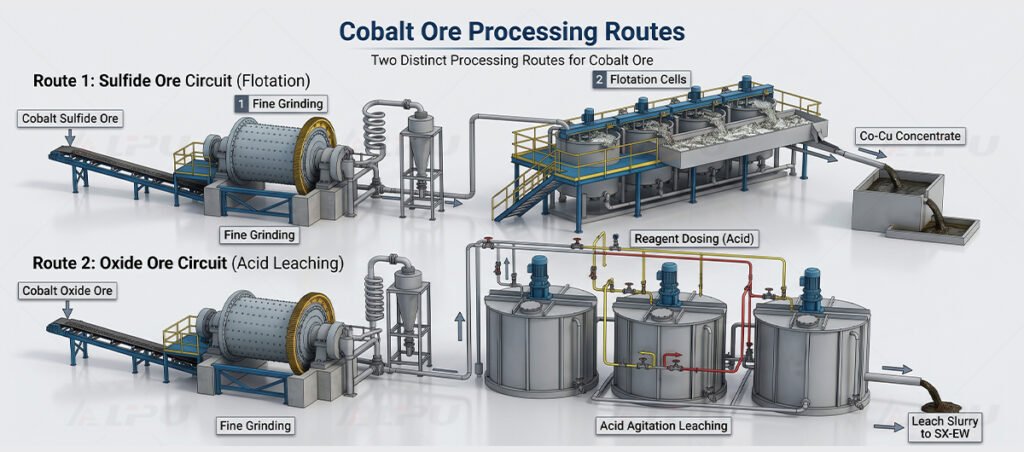
For suitable sulfide ores, flotation may produce a cobalt-bearing copper or nickel concentrate for further treatment. Oxide ores may require leaching, followed by solution purification and recovery of the selected cobalt product.
Mixed ores may need separate treatment of different fractions or a combined flotation and leaching route.
Processing Route
Potential Application
What Testwork Should Establish
Flotation
Suitable liberated sulfide minerals
Recovery, selectivity, concentrate grade, and impurity distribution
Leaching
Suitable oxide ores or cobalt-bearing intermediates
Extraction, reagent consumption, kinetics, and solution composition
Concentrate suitability and downstream processing requirements
Combined treatment
Mixed ores with different cobalt-bearing phases
How each fraction should be treated and whether the combined route is practical
Physical pre-concentration
Selected ores with suitable mineral contrasts
Valuable-metal losses, mass rejection, and downstream benefits
Magnetic separation or gravity separation should only be included where mineral characteristics and test results support their use. They are not universal cobalt recovery methods.
The required equipment and operating conditions differ between these routes. A flotation concentrate, cobalt hydroxide intermediate, and refined cobalt product each require different processing stages and product specifications.
Crushing, Grinding and Classification
Crushing and screening prepare a controlled feed for the next processing stage. The arrangement depends on ore hardness, moisture, feed size, and required throughput.
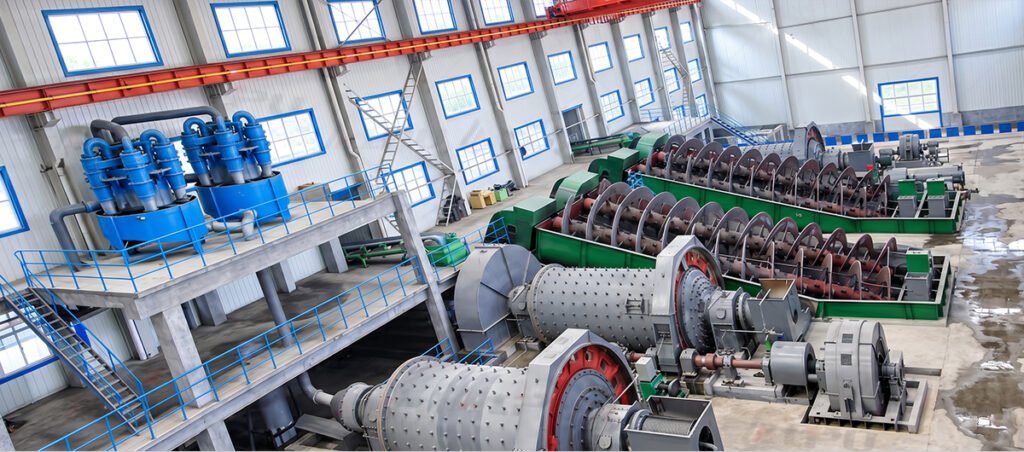
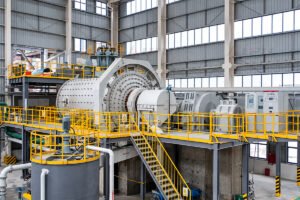
Ball mill and hydrocyclone closed-circuit grinding plant
For flotation-based treatment, grinding releases cobalt-bearing minerals from associated minerals and gangue. A ball mill can operate with a classification system to return coarse particles for further grinding.
The target grind should be established through liberation analysis and testwork. Excessive grinding can increase energy demand and generate fines that complicate flotation or solid-liquid separation.
For leaching routes, feed preparation should match the selected leach method. Grinding requirements should not be copied directly from a flotation flowsheet.
Flotation for Sulfide Cobalt Ores
Flotation can recover suitable cobalt-bearing sulfide minerals or the copper and nickel sulfides that contain cobalt.
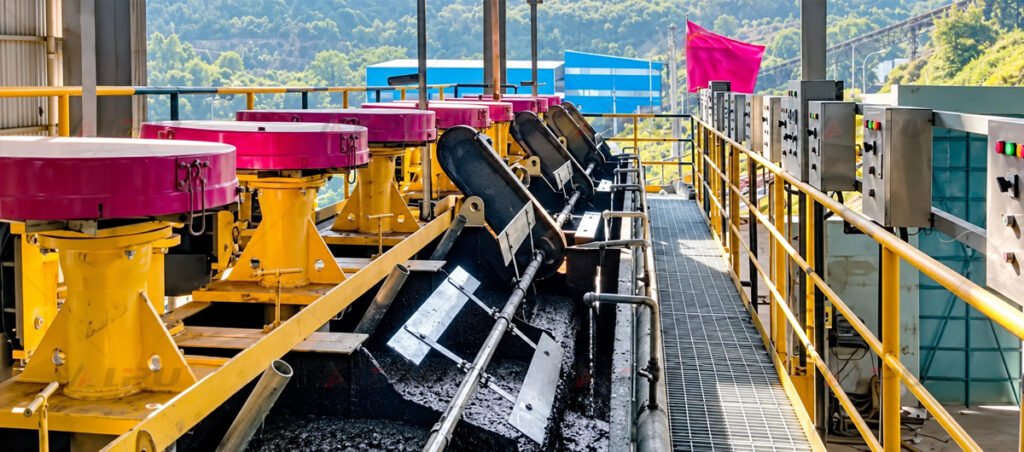
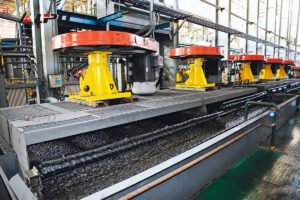
The circuit may use bulk flotation, selective flotation, or a combination of stages. Roughing, scavenging, cleaning, and regrinding are included where testwork demonstrates their value.
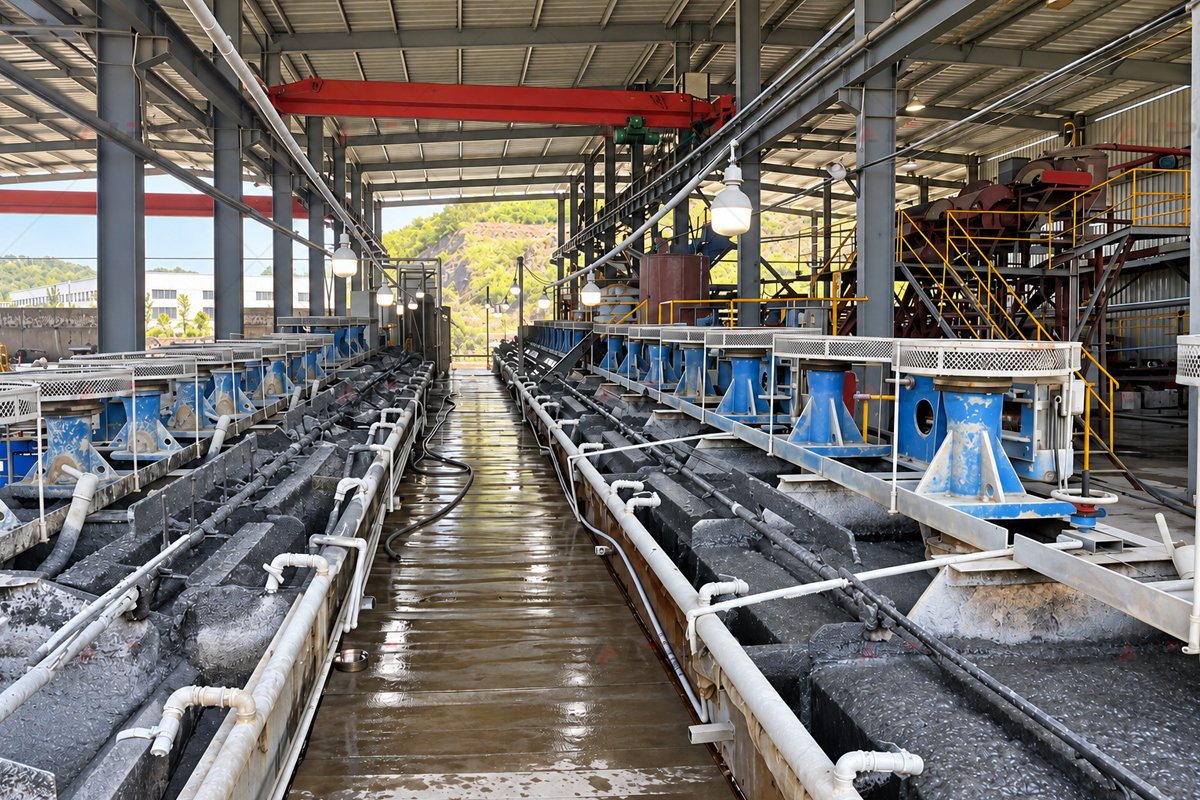
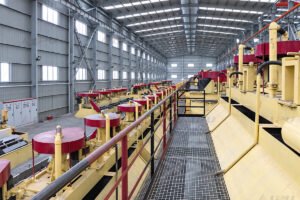
Flotation cells during mineral separation
Key design considerations include:
Cobalt distribution between copper, nickel, and other minerals.
Liberation size and the need for concentrate regrinding.
Reagent selection, conditioning time, and slurry chemistry.
Recovery of associated valuable metals.
Concentrate grade and penalty-element limits.
A flotation machine should be selected around throughput, flotation kinetics, slurry characteristics, and the duty of each stage.
Flotation produces a mineral concentrate. Further metallurgical treatment may be required to recover cobalt into the final saleable product.
Leaching Considerations for Oxide and Mixed Ores
Suitable oxide cobalt ores may be treated by leaching to transfer cobalt into solution. The appropriate chemistry depends on cobalt-bearing minerals, gangue composition, and the behavior of associated metals.
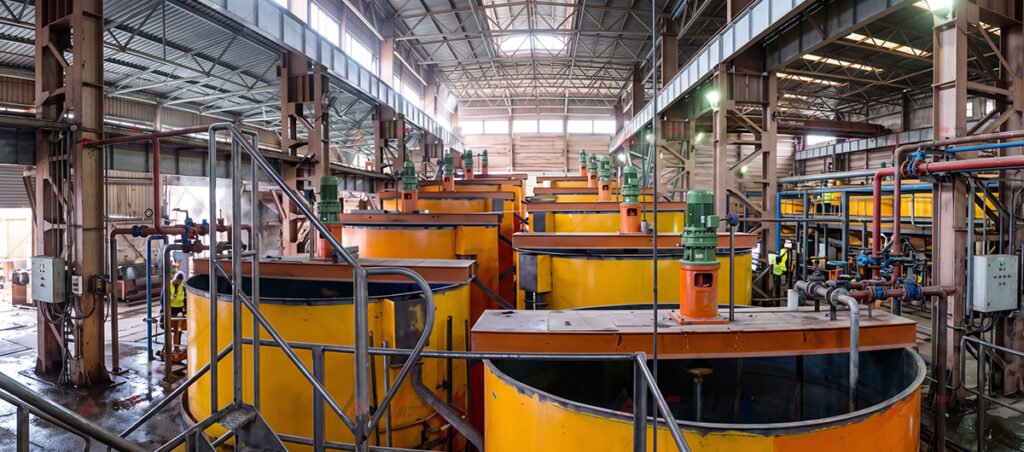
Continuous agitation leaching circuit with reagent dosing lines
Some cobalt-bearing phases require reducing conditions to achieve effective dissolution. Reagent selection and operating conditions should therefore be established through testwork.
Important design inputs include acid consumption, extraction kinetics, slurry handling, and the concentrations of copper, iron, manganese, and other dissolved elements.
After leaching, the circuit may require solid-liquid separation, solution purification, and recovery of a cobalt intermediate or another specified product. These stages must be designed together rather than treated as optional additions.
For mixed ores, flotation and leaching should be evaluated as coordinated treatment routes. The preferred arrangement depends on where cobalt occurs and how each mineral fraction responds.
Concentrate Dewatering and Product Handling
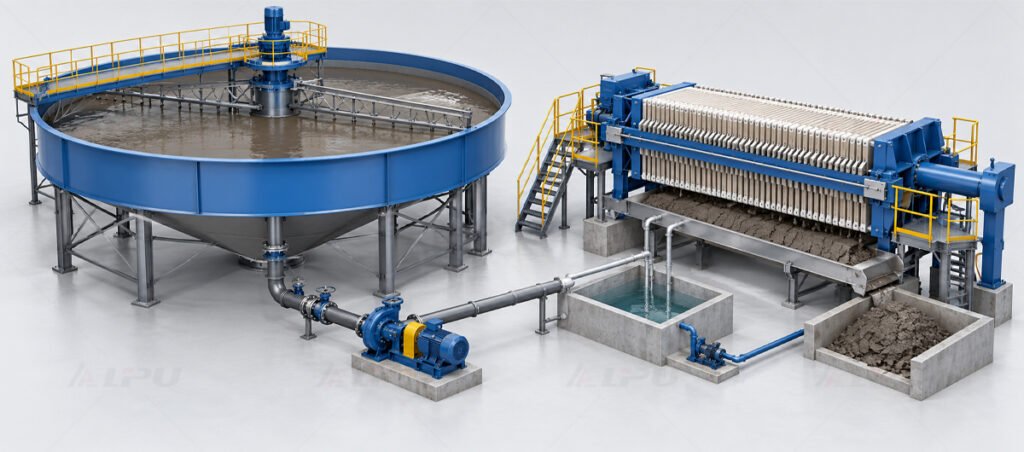
Flotation concentrates normally require thickening and filtration before storage, transport, or further treatment.
Concentrate dewatering system featuring thickener and plate filter press
Dewatering removes water and improves handling; it does not by itself increase the dry-basis cobalt grade.
Equipment selection depends on particle size, settling behavior, filtration performance, throughput, and the moisture requirements of the receiving facility.
Leaching circuits have different separation duties. Residue washing, clarification, or other solid-liquid separation stages may be needed to recover dissolved cobalt and prepare solution for downstream treatment.
Product handling should be designed around the actual product—such as a sulfide concentrate or cobalt intermediate—and its agreed specifications.
Tailings and Process Water Management
Tailings and residues should be evaluated as part of the complete processing route.
Flotation tailings and leach residues can differ significantly in mineral composition, water chemistry, and handling requirements. Their management arrangements should reflect those differences.
The plant proposal should consider water recovery, residual reagents, dissolved metals, residue stability, and the selected storage or disposal method.
Recycled water can influence flotation and leaching performance. Water quality and the accumulation of dissolved substances should therefore be included in process testing and circuit design.
Main Equipment Configuration
Equipment is selected for the approved process route rather than supplied as a fixed package.
Equipment or System
Main Duty
Feeders, crushers, and screens
Prepare and control feed size
Grinding mills and classification equipment
Achieve the required liberation or leach feed preparation
Conditioning tanks and reagent systems
Prepare slurry for flotation
Flotation cells
Recover suitable cobalt-bearing sulfide minerals
Leach reactors and reagent systems
Dissolve cobalt from suitable feeds
Thickeners and filtration equipment
Separate solids and liquids for the relevant process duty
Solution treatment equipment
Purify cobalt-bearing solution and support product recovery
Slurry pumps and process tanks
Transfer and balance process streams
Water recovery systems
Manage process water circulation
Instrumentation and controls
Monitor and regulate operating conditions
Magnetic separators, gravity equipment, or pre-concentration systems may be added where testing confirms a useful role.
From Testwork to Plant Proposal
A cobalt processing proposal should begin with representative samples and a clear definition of the target product.
Useful project information includes:
Ore source, mineralogy, and cobalt occurrence.
Cobalt, copper, nickel, and relevant impurity assays.
Feed size, ore variability, and planned capacity.
Existing flotation or leaching test results.
Target concentrate or cobalt product specifications.
Water, power, site, and downstream processing conditions.
Testwork should identify a practical route, quantify its performance, and establish the main equipment duties.
LIPU uses these project inputs to develop an equipment configuration and plant proposal matched to the selected processing route.
Frequently Asked Questions
Can all cobalt ores be processed by flotation?
No. Flotation is suitable for certain cobalt-bearing minerals and mineral associations. Oxide and mixed ores may require leaching or a combined route.
Is magnetic separation suitable for cobalt ore?
Only where the relevant minerals have suitable magnetic properties and testwork confirms useful separation. Cobalt content alone does not establish magnetic separability.
Can copper and cobalt be recovered in the same plant?
Yes, where mineralogy and testwork support a combined recovery route. The arrangement depends on how copper and cobalt occur and the required products.
Does flotation produce refined cobalt?
No. Flotation produces a mineral concentrate. Further treatment is generally required to recover cobalt into a specified intermediate or refined product.
Does filtration improve cobalt concentrate grade?
Filtration primarily removes water. It improves handling and transport but does not inherently increase dry-basis cobalt grade.
What determines the cobalt processing plant configuration?
Mineralogy, cobalt occurrence, ore variability, testwork, capacity, target products, and site conditions determine the configuration.