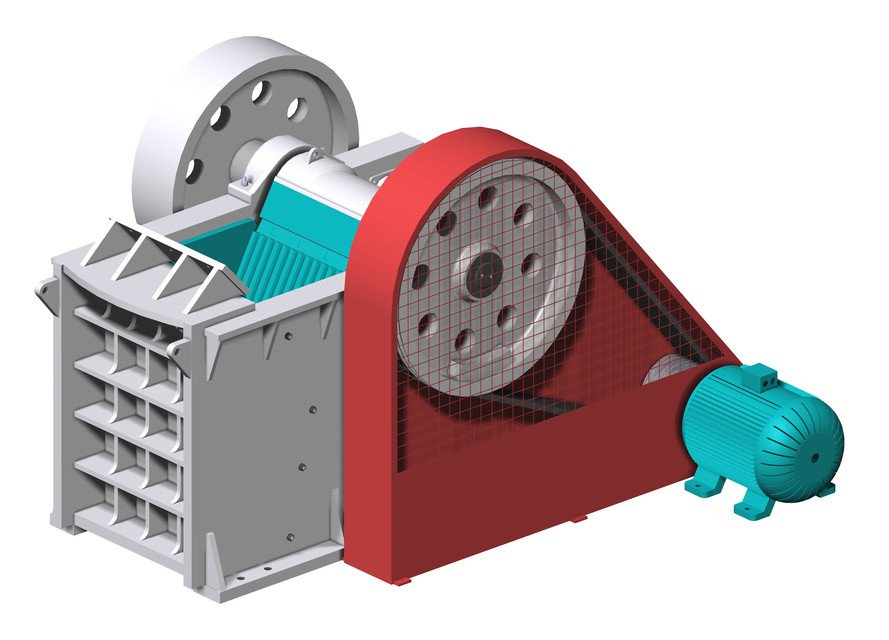
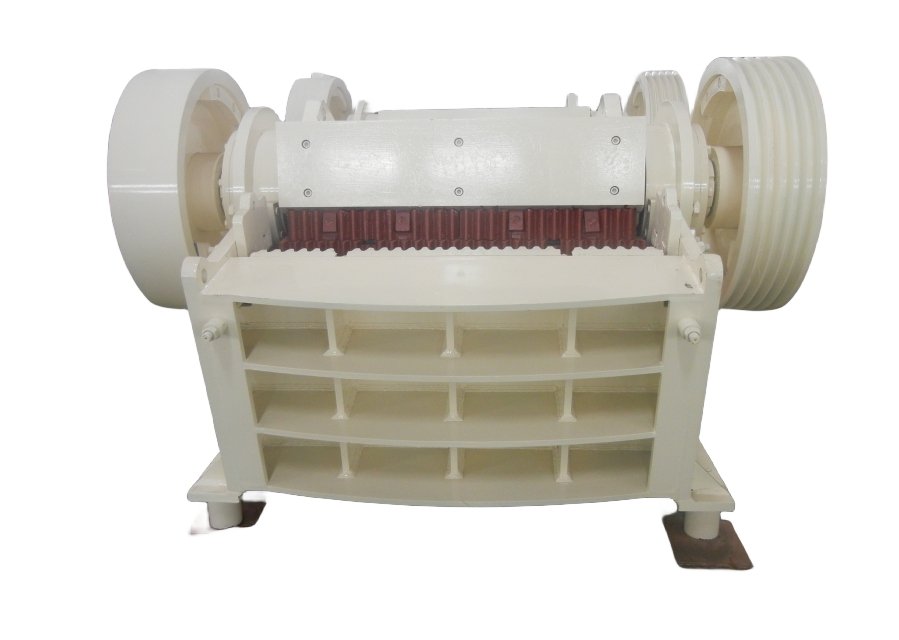
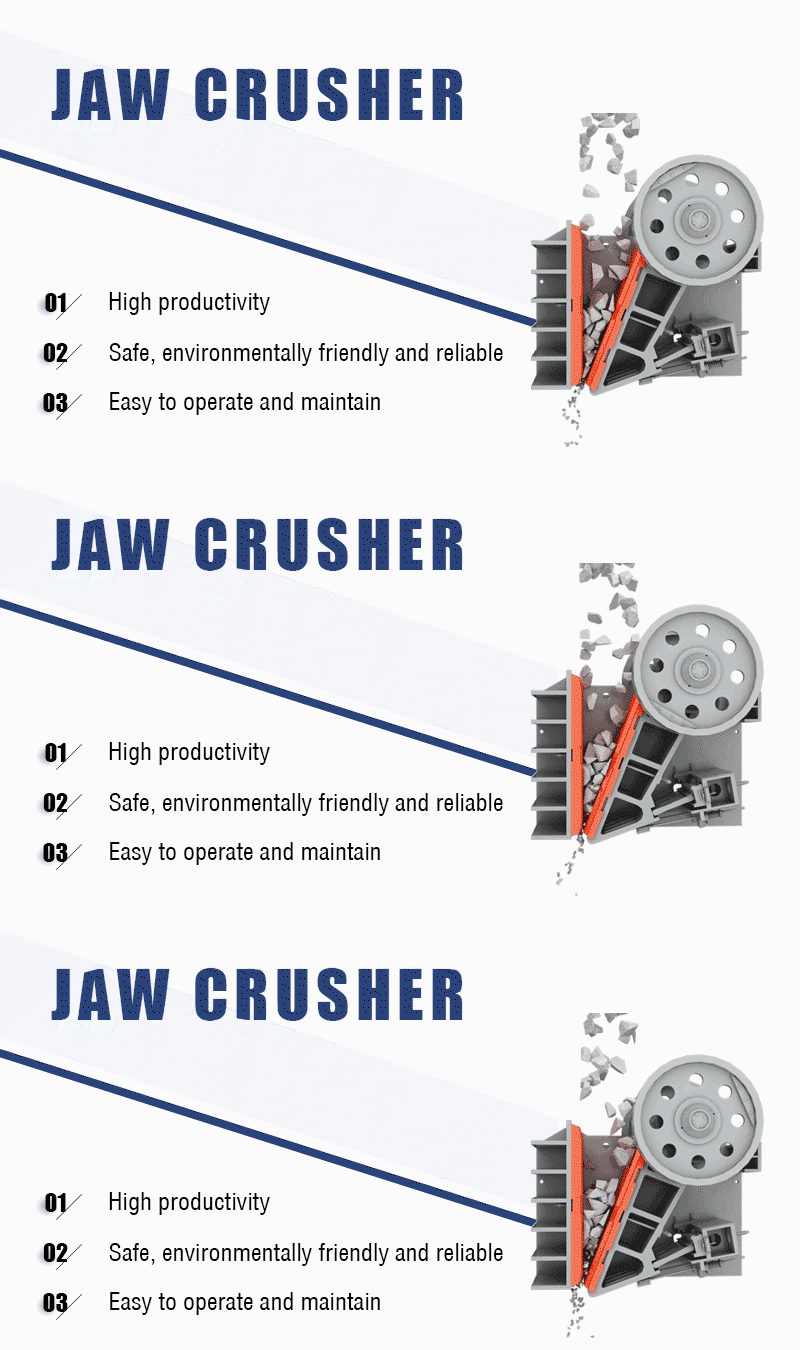
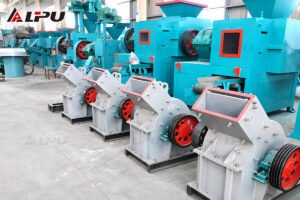
A jaw crusher is a compression crushing machine commonly used for primary crushing.
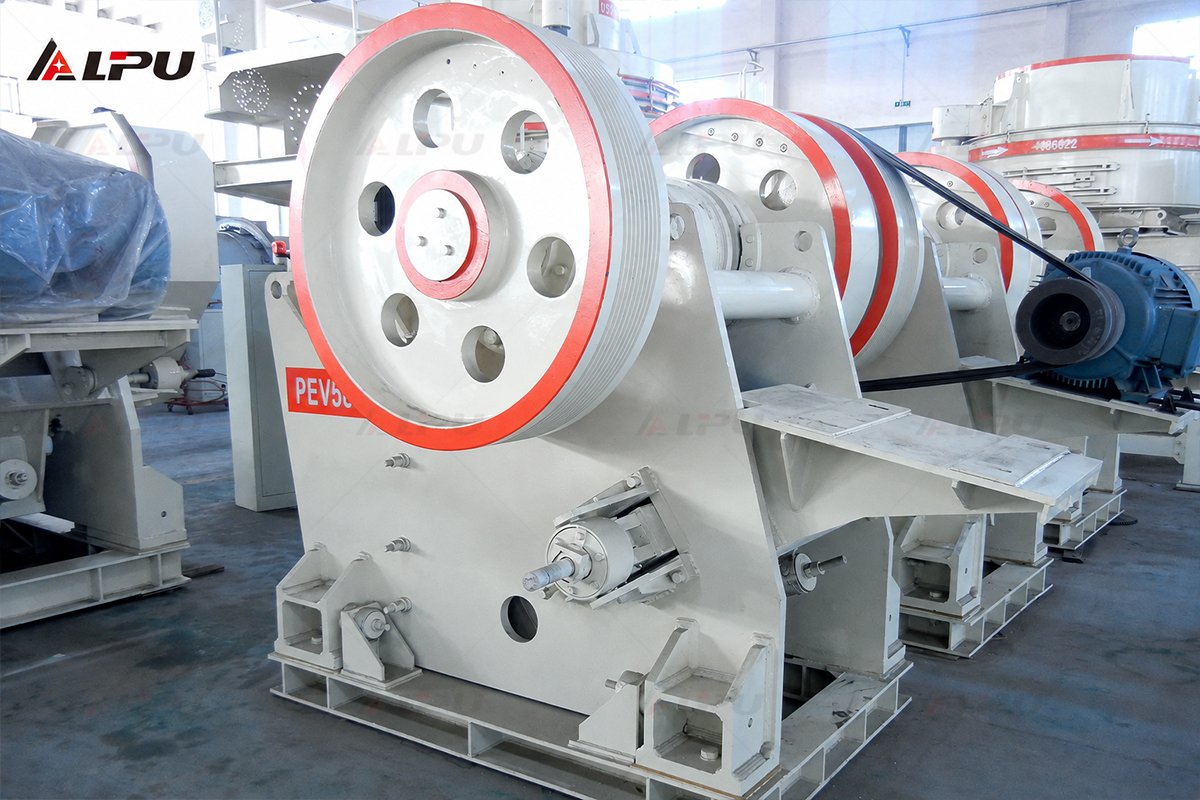
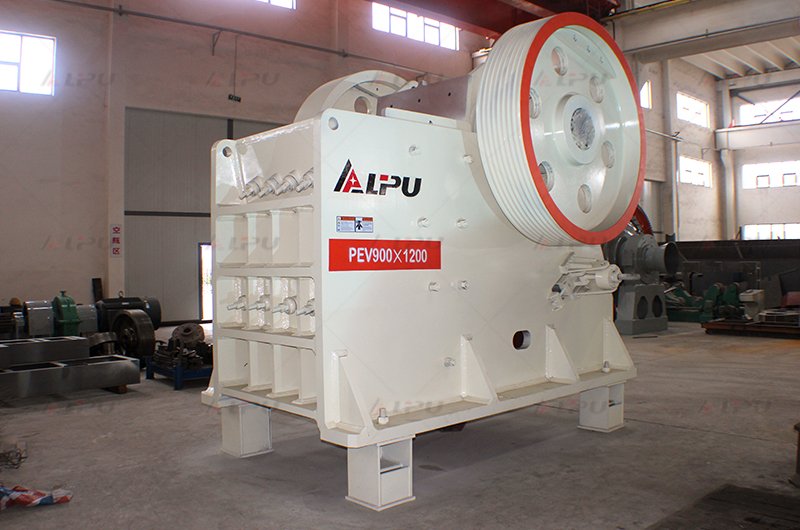
PEV Jaw Crusher
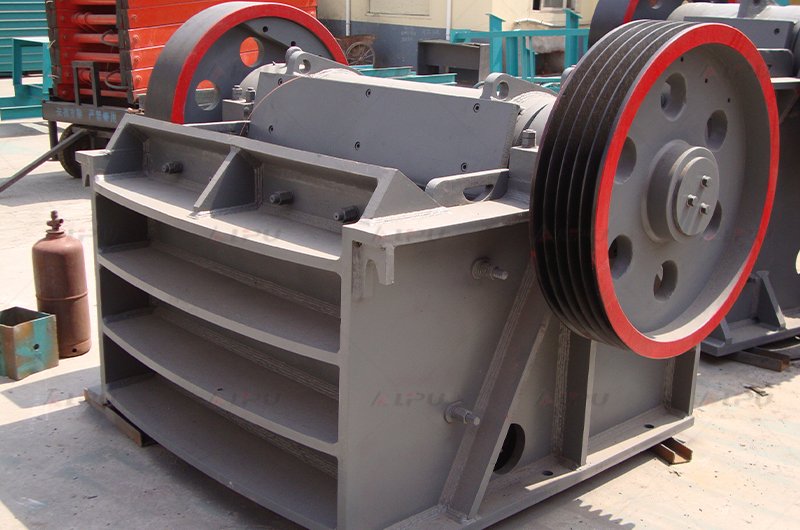
PEX Jaw Crusher
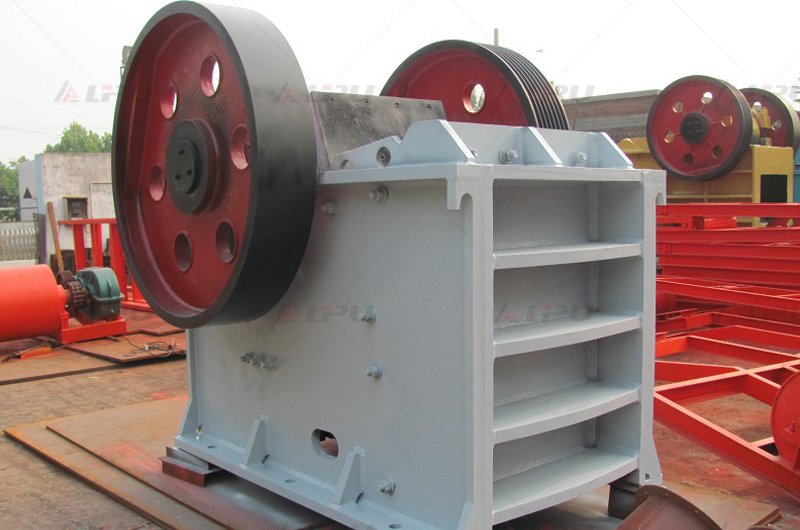
PE Jaw Crusher
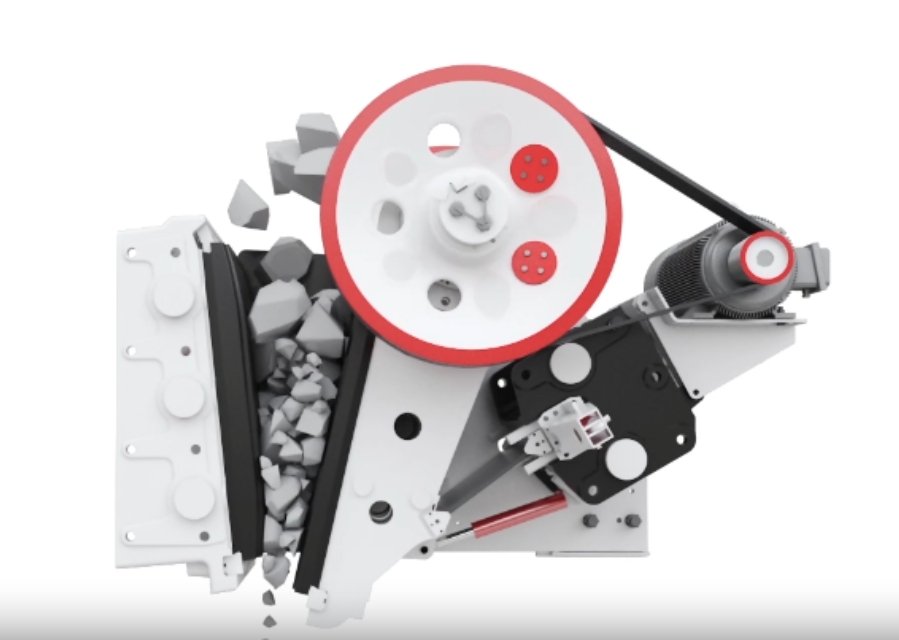
Material enters the crushing chamber between a fixed jaw plate and a moving jaw plate. As the movable jaw repeatedly approaches and moves away from the fixed jaw, the material is compressed and broken into smaller particles.
Jaw crushers are widely used in mining, quarrying, aggregate production, infrastructure construction, and construction waste recycling because of their simple structure, strong crushing force, and ability to handle large feed sizes.
LIPU provides different jaw crusher series for coarse, medium, and fine crushing applications.
PE Jaw Crusher
PE series jaw crushers are widely used as primary crushers in mining, quarrying, aggregate production, and construction material processing.
PE Jaw Crusher
Capacity: 20-800t/h, Customizable
Max Feeding Size: 130mm-1000mm; According to Model
Motor Power: 5.5-220 kw; According to Model
Description: Standard jaw crusher output particle size is large, usually 100-350mm, and secondary crushing is required; It can directly process bulk materials with a particle size of 1.2 meters.
Features: Large crushing ratio, uniform product size, safe and reliable lubrication system.
Wide range of models for small to large production lines
PE jaw crushers are commonly installed at the first crushing stage to reduce large raw materials before secondary crushing.
PEV Jaw Crusher
PEV series jaw crushers are heavy-duty jaw crushers designed for higher-capacity crushing and demanding operating conditions.
PEV Jaw Crusher
Capacity: 65-800t/h, Customizable
Max Feeding Size: 420mm-1000mm; According to Model
Motor Power: 75-250 kw; According to Model
Description: European Type jaw crusher adopts the most advanced international crushing technology and manufacturing level, which is the first choice for crushing hardness and strong abrasive materials.
Features: The discharge port adopts “wedge hydraulic adjustment device”, which is simpler and more reliable to adjust.
Hydraulic or wedge-type discharge adjustment depending on configuration
Suitable for hard and abrasive materials
Stable operation in continuous production
Suitable for medium and large crushing plants
PEV jaw crushers are often selected when higher capacity, larger feed size, or more efficient discharge adjustment is required.
PEX Jaw Crusher
PEX series jaw crushers are generally used for secondary or fine crushing.
Compared with standard primary jaw crushers, PEX models usually have a narrower and longer crushing chamber and are suitable for smaller feed sizes and finer discharge requirements.
PEX Jaw Crusher
Capacity: 8-95t/h, Customizable
Max Feeding Size: 120mm-250mm; According to Model
Motor Power: 15-75 kw; According to Model
Description: Small jaw crusher is used in secondary crushing for medium and fine crushing after coarse crushing, so as to provide qualified feed material for the next production process.
The final jaw crusher type should be selected according to material characteristics, feed size, required capacity, and the downstream process.
Materials and Applications
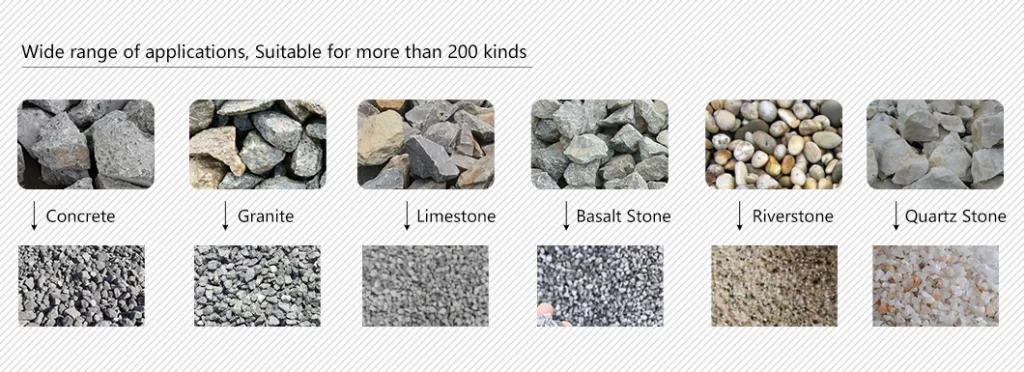
LIPU jaw crushers can process a wide range of rocks, ores, and construction materials.
Materials Processed by Jaw Crushers
Typical materials include:
Granite
Basalt
Limestone
Quartz
Pebble
Dolomite
Sandstone
Iron ore
Gold ore
Copper ore
Lead-zinc ore
Coal gangue
Concrete
Construction waste
Cement clinker
Other hard and medium-hard materials
Typical applications include:
Mining ore crushing
Quarry aggregate production
Road and railway construction
Concrete aggregate production
Mineral processing plants
Construction waste recycling
Sand and gravel production
Infrastructure projects
For highly abrasive hard rock, jaw crushers are commonly used as the primary crushing stage before a cone crusher.
For limestone and other medium-hard materials, the jaw crusher can work together with an Impact Crusher for secondary crushing.
How Does a Jaw Crusher Work?
The motor drives the eccentric shaft through the belt and pulley system.
As the eccentric shaft rotates, the movable jaw moves periodically toward and away from the fixed jaw.
When the movable jaw approaches the fixed jaw, material inside the crushing chamber is compressed and broken.
When the movable jaw moves away, the crushed material moves downward under gravity and is discharged through the bottom opening.
This crushing cycle continues continuously during operation.
Working Principle of Jaw Crusher
The final discharge size is affected by:
Discharge opening
Jaw plate profile
Feed size
Material hardness
Eccentric shaft speed
Crushing chamber design
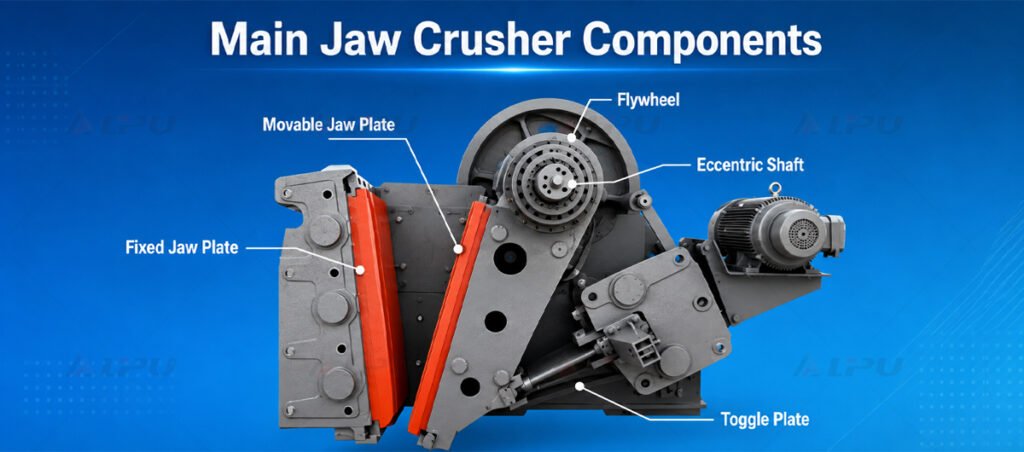
Main Jaw Crusher Components
A typical jaw crusher includes:
Frame
Fixed jaw plate
Movable jaw plate
Movable jaw assembly
Eccentric shaft
Flywheel
Pulley
Toggle plate
Toggle seat
Tension rod
Adjustment device
Side liners
Bearings
Drive motor
Discharge opening
The jaw plates are the main wear parts and directly contact the material during crushing.
The toggle system transfers crushing force and also provides mechanical protection under abnormal operating conditions.
When Is a Jaw Crusher the Right Choice?
A jaw crusher is normally selected when the project requires strong primary crushing performance and the ability to handle large feed sizes.
It is particularly suitable when:
Raw material contains large rocks
Material is hard or abrasive
Primary crushing is required
A simple and robust crusher is preferred
High crushing force is required
The downstream process includes cone crushing, impact crushing, screening, or grinding
Jaw crushers are commonly used at the beginning of a crushing line because they can reduce large material into a suitable size for subsequent equipment.
For smaller feed sizes and finer crushing requirements, a PEX jaw crusher or another secondary crusher may be more suitable.
Jaw Crushing Process
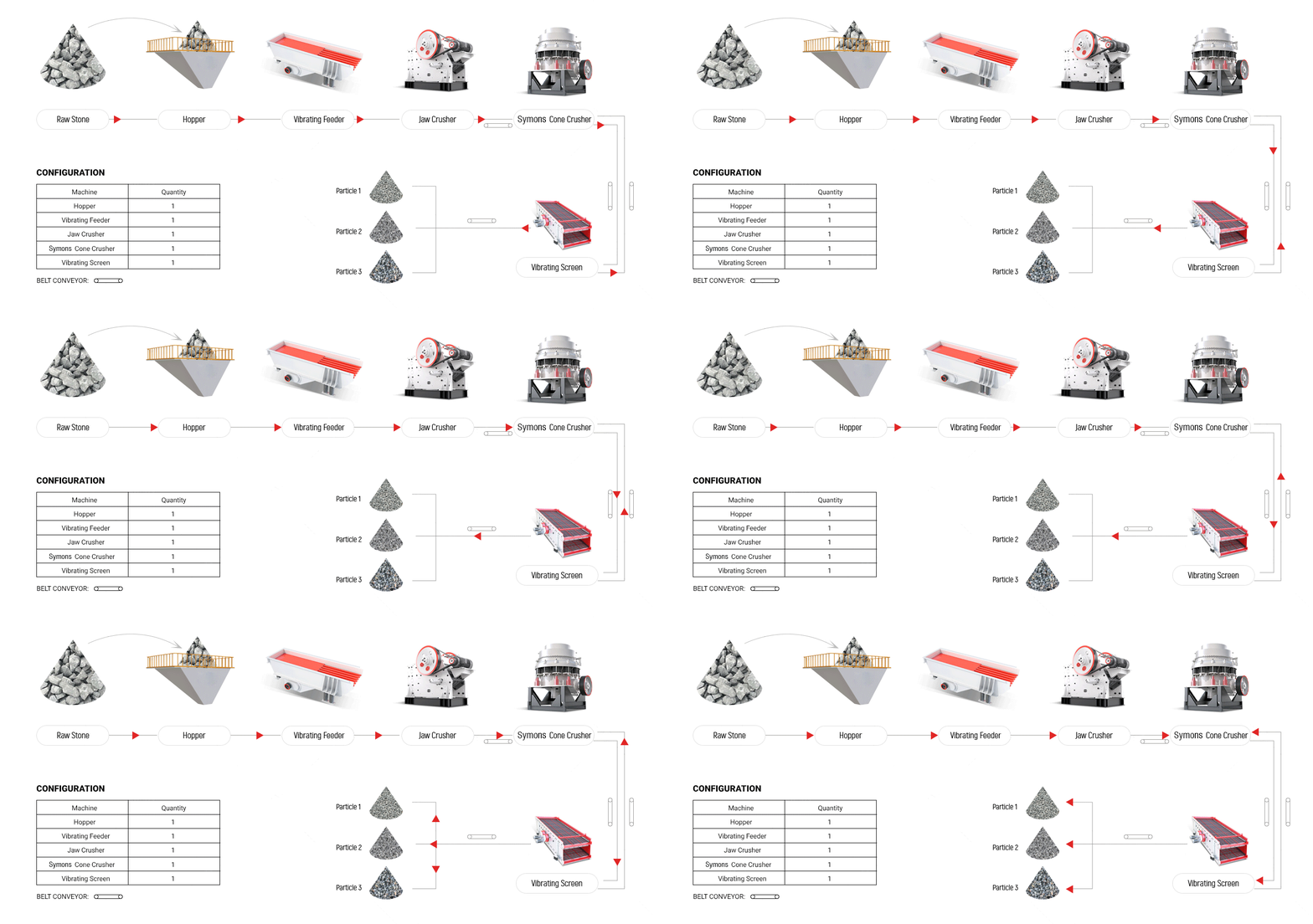
A jaw crusher usually works as part of a complete crushing and screening system.
Jaw Crusher Process Flow
A typical hard-rock crushing process may be arranged as:
A Belt Conveyor is normally used between different crushing and screening stages for material transfer.
For projects requiring frequent relocation, a Mobile Crushing Line can also be configured with mobile jaw crushing equipment.
Jaw Crusher Technical Parameters
LIPU jaw crushers are available in PE, PEV, and PEX series for different feed sizes, capacities, and crushing stages.
Actual processing capacity may vary according to material hardness, feed gradation, moisture content, discharge opening, operating conditions, and complete plant configuration.
PE Jaw Crusher
PEV Jaw Crusher
PEX Jaw Crusher
PE Jaw Crusher
Model
Feed opening(mm)
Max.feedingsize (mm)
Adjusting range of dischargeopening (mm)
Processing capacity(t/h)
Rotation speed ofeccentric shaft (r/min)
Motor power(kw)
Total weight(t)
Dimensions(L×W×H)(mm)
PE-150×250
150×250
125
10-40
1-3
250
4P 5.5
0.8
720×660×850
PE-200×300
200×300
180
15-50
2-6
260
4P 7.5
1.2
910×750×990
PE-200×350
200×350
180
18-70
3-10
260
4P 11
1.5
1000×870×990
PE-250×400
250×400
210
20-60
5-21
300
6P 15
2.8
1300×1090×1270
PE-400×600
400×600
340
40-100
16-64
275
6P 30
7
1730×1730×1630
PE-500×750
500×750
425
50-100
40-110
275
6P 55
12
1980×2080×1870
PE-600×750
600×750
500
150-200
80-240
275
6P 55
15.8
2070×2000×1920
PE-600×900
600×900
500
65-160
50-160
250
6P 55
17
2190×2206×2300
PE-750×1060
750×1060
630
80-140
110-320
250
8P 110
29
2660×2430×2800
PE-800×1060
800×1060
640
130-190
130-330
250
8P 110
29.8
2710×2430×2800
PE-830×1060
830×1060
650
160-220
150-336
250
8P 110
30.7
2740×2430×2800
PE-870×1060
870×1060
660
200-260
190-336
250
8P 110
31.5
2810×2430×2800
PE-900×1060
900×1060
685
230-290
230-390
250
8P 110
33
2870×2420×2940
PE-900×1200
900×1200
750
95-165
220-380
200
8P 110
52
3380×2870×3330
PE-1000×1200
1000×1200
850
195-265
315-500
200
8P 110
55
3480×2876×3330
PE-1200×1500
1200×1500
1020
150-350
400-800
180
6P 160-220
100.9
4200×3300×3500
PE-1500×1800
1500×1800
1200
220-350
500-1000
180
8P 280-355
139
5160×3660×4248
PEV Jaw Crusher
Model
Max.feedingsize (mm)
Adjusting range of dischargeopening (mm)
Processing capacity(t/h)
Motor power(kw)
Dimensions(L×W×H)(mm)
Total weight(t)
PEV400×600
340
40-80
20-65
30-37
2500×1750×1950
7
PEV500×750
425
45-150
45-107
45-55
3100×1980×2290
12
PEV600×900
510
75-180
100-200
55-75
3450×2360×2780
17
PEV750×1100
640
80-190
140-320
90-110
3750×2580×3180
26
PEV860×1100
730
100-200
200-500
110-132
4870×2850×3170
32
PEV900×1200
760
100-220
220-600
110-132
3500×2850×3290
48
PEV1000×1200
850
150-300
280-750
132-160
4700×2930×3460
52
PEV1200×1500
1020
180-340
350-950
160-220
6380×5310×3710
83
PEV1500×1800
1250
210-360
500-1100
280
7460×6240×4250
122
PEX Jaw Crusher
Model
Feed opening(mm)
Max.feeding size (mm)
Adjusting range of discharge opening (mm)
Processing capacity(t/h)
Rotation speed ofeccentric shaft (r/min)
Motor power(kw)
Total weight(t)
Dimensions(L×W×H)(mm)
PEX-150×750
150×750
120
18-48
8-25
320
4P 15
3.8
1200×1530×1060
PEX-250×750
250×750
210
25-60
13-35
330
6P 22
5.5
1380×1750×1540
PEX-250×1000
250×1000
210
25-60
16-52
330
6P 30
7
1560×1950×1390
PEX-250×1200
250×1200
210
25-60
20-61
330
6P 37
9.7
2140×1660×1500
PEX-300×1300
300×1300
250
20-90
16-105
300
6P 55
15.6
2720×1950×1600
How to Select the Right Jaw Crusher
Jaw crusher selection should consider the complete crushing process rather than only the nominal capacity.
For preliminary selection, please provide:
Material type
Maximum feed size
Required capacity
Required discharge size
Material hardness
Material abrasiveness
Moisture content
Final product size
Downstream equipment
Project location
Important selection factors include:
Maximum Feed Size
The feed opening and maximum allowable feed size must match the largest raw material entering the crusher.
Required Capacity
Capacity should be evaluated together with feed gradation, material hardness, discharge opening, and operating conditions.
Discharge Size
The required discharge size determines whether a PE, PEV, or PEX model is more suitable and affects downstream crusher or grinding equipment selection.
Material Hardness and Abrasiveness
Hard and abrasive materials require suitable jaw plate material and a robust crusher configuration.
Primary or Secondary Crushing
PE and PEV crushers are generally selected for primary crushing, while PEX models are more commonly used for secondary or finer crushing.
Complete Crushing Circuit
The jaw crusher should be matched with feeding, secondary crushing, screening, conveying, and dust-control equipment.
Why Choose LIPU?
LIPU Heavy Industry provides crushing, screening, grinding, classification, and mineral processing equipment for different mining and aggregate projects.
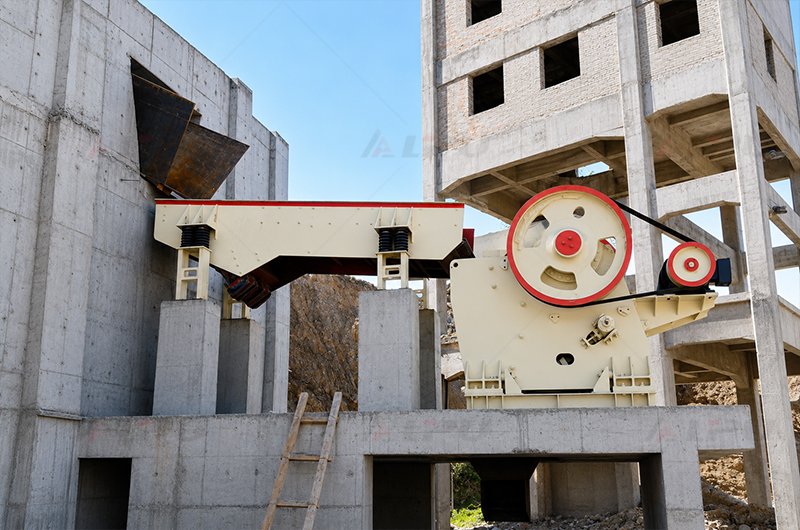
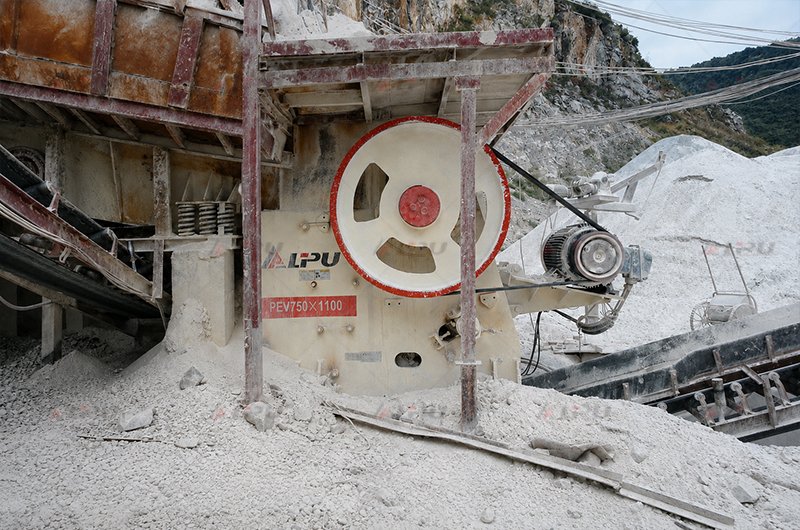
PEV750×1100 Jaw Crusher at Aggregate Crushing Plant
LIPU PEV750×1100 jaw crusher
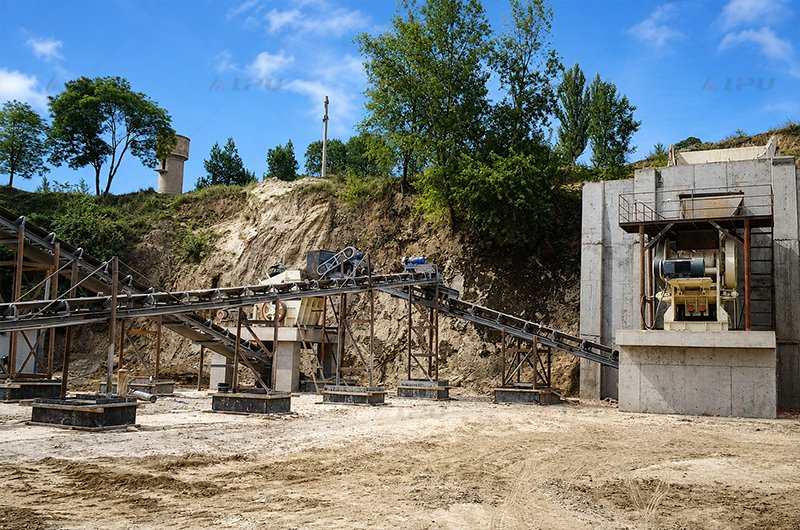
Jaw Crusher Crushing Line Customer Site
For jaw crusher applications, LIPU can assist with:
Crusher model selection
Crushing circuit design
Primary and secondary crusher matching
Screening equipment selection
Conveyor system configuration
Equipment manufacturing
Factory inspection and testing
Installation and commissioning support
Wear parts supply
Technical service
For complete crushing projects, jaw crusher selection can be integrated into the overall plant design rather than treated as an isolated machine.
Frequently Asked Questions
What materials can a jaw crusher process?
Jaw crushers can process granite, basalt, limestone, quartz, pebble, iron ore, gold ore, copper ore, construction waste, concrete, and many other hard or medium-hard materials.
What is the difference between PE, PEV, and PEX jaw crushers?
PE is a conventional jaw crusher commonly used for primary crushing. PEV is a heavy-duty configuration designed for higher capacity and demanding applications. PEX is generally used for secondary or finer crushing with smaller feed sizes.
Is a jaw crusher suitable for hard rock?
Yes. Jaw crushers are widely used for hard and abrasive rock because they use compression crushing and have a robust mechanical structure.
What determines jaw crusher capacity?
Capacity depends on feed size, feed gradation, material hardness, discharge opening, moisture content, crushing chamber design, and operating conditions.
Can LIPU provide a complete jaw crushing plant?
Yes. LIPU can provide equipment matching for feeding, jaw crushing, secondary crushing, screening, conveying, and other supporting systems.